
REVIEW · ROME
Rome: Pasta Cooking Class with Spritz Cocktails
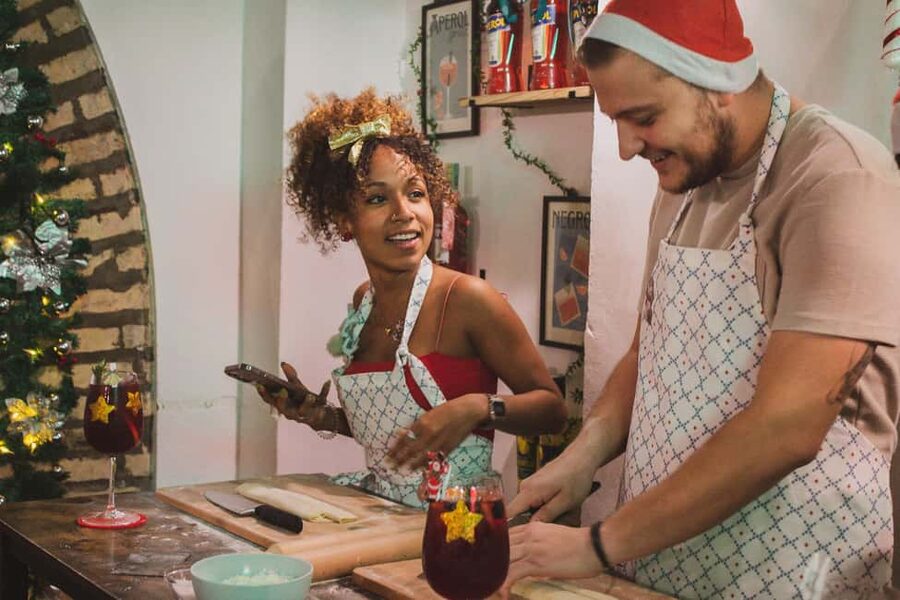
Rome’s pasta-and-spritz class turns dinner into the evening’s main event. You begin with an Aperol Spritz, work fresh dough into fettuccine, then learn the tricks behind Roman staples such as Carbonara and Cacio e Pepe before sitting down to eat what you made.
I like the mix of practical cooking and easy social time. I also like that the recipes arrive afterward, so you can try the dishes again at home instead of leaving with only a full stomach and a blurry photo. The main catch is dietary: the class cannot accommodate coeliac disease, gluten intolerance, vegan diets, or lactose intolerance.
Key points to know before booking
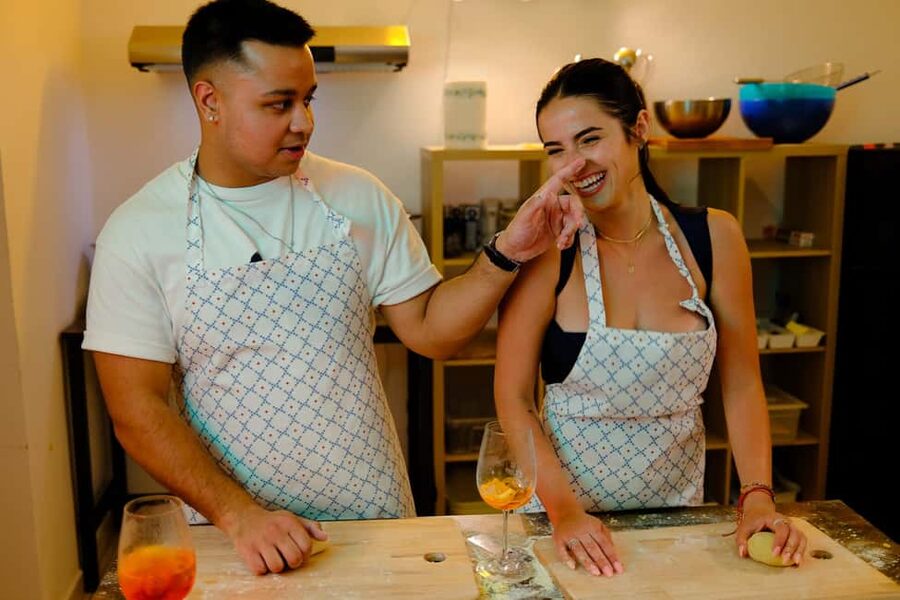
- Three cocktails are included: Aperol Spritz, Hugo Spritz, and Limoncello.
- You make fresh fettuccine: The pasta is prepared from scratch during the class.
- Roman sauces are the focus: Expect instruction on Carbonara and Cacio e Pepe.
- The social side is strong: The format is built around cooking, eating, and meeting people from different countries.
- English instruction keeps things simple: The chef leads the class in English and shares recipes by e-book.
- Dietary limits are firm: Gluten-free, vegan, and dairy-free cooking is not available.
Fresh pasta and Roman cocktails in one evening
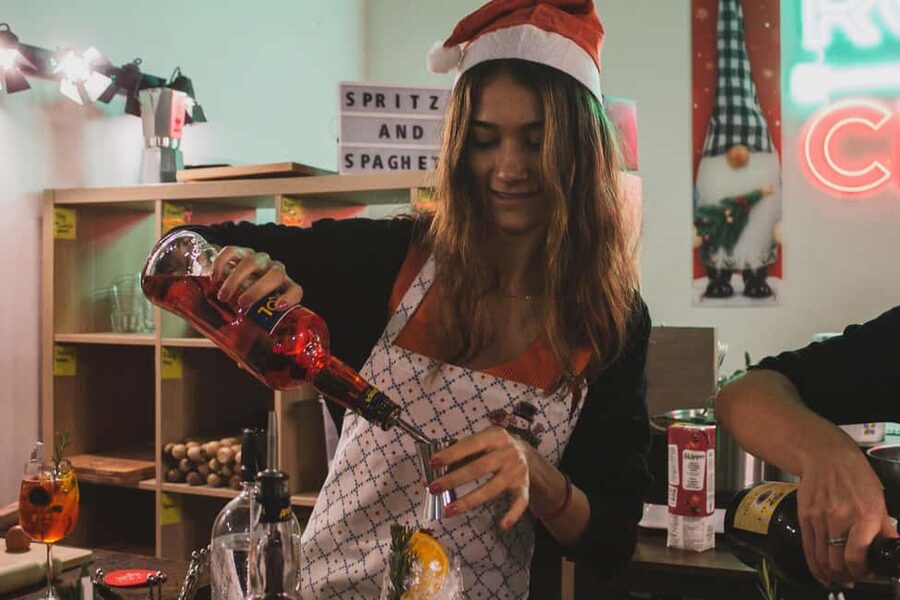
This is a cooking class with a party-like rhythm, but the food remains the reason to book. You meet an English-speaking local chef in a centrally located kitchen, begin with a mixology demonstration, and learn how to balance an Aperol Spritz before touching the pasta dough.
That order works well. A drink helps break the ice, and the first demonstration gives the group something easy to do together. You are not standing alone at a counter trying to follow a recipe while everyone else races ahead. The class is designed for participation, conversation, and plenty of help from the chef and assistant.
The pasta portion centers on fresh fettuccine. You work through the dough-making process, then move toward Roman sauces. Carbonara brings eggs, cheese, and the familiar creamy texture, while Cacio e Pepe depends on the less forgiving combination of cheese, pepper, and pasta water. These are simple dishes on paper, but the small details matter. That makes them useful recipes to learn in person.
The format lasts about two to three hours. That gives you enough time for cooking and eating without turning the evening into a full-day project. Starting times vary, so check the available session when you book. The class ends back at its meeting point, and there is no hotel pickup or drop-off.
More Cocktail Tours in Italy
- Rome Cooking Class: Make Pasta and 3 Spritz Cocktails
★ 5.0 · 2,937 reviews - Pasta Cooking Class Near the Colosseum with 3 Spritz Cocktails
★ 5.0 · 1,686 reviews - Rome Tipsy Cooking Class: Make Pasta and Mix 3 Spritz Cocktails
★ 5.0 · 1,357 reviews
The cocktail sequence: Aperol, Hugo, and Limoncello
The drinks are not just a welcome extra. They shape the pace of the class and give you three different Italian-style drinks to try.
First comes the Aperol Spritz, the bright orange aperitivo that has become a familiar part of Italian social life. The mixology demonstration shows you how the drink is assembled before you make or taste it yourself. This is a useful start because the technique is straightforward, and you can take the idea home without buying specialist equipment.
Later, the class moves to a Hugo Spritz. It offers a lighter change from the bitter orange profile of Aperol and keeps the drink portion from feeling repetitive. The final cocktail is Limoncello, which gives the meal a sweet, lemony finish.
The drinks also make this a better fit for people who want a social night rather than a quiet technical workshop. The atmosphere can become lively, especially in a small group. One practical point matters here: alcohol is part of the experience, not an optional side detail. Non-alcoholic drinks have been available in some sessions, but you should tell the provider about your needs in advance rather than assume a full alcohol-free version of the class.
Making fettuccine from scratch
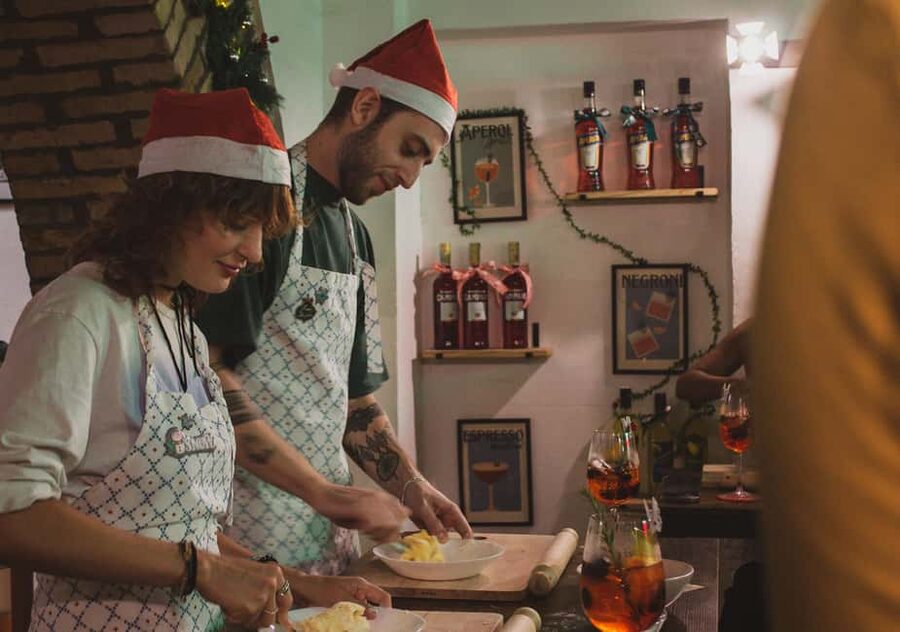
The pasta lesson is the hands-on heart of the experience. You make fettuccine rather than simply watching the chef prepare it, so the class gives you something concrete to repeat at home.
Fresh pasta is a good choice for a group lesson. It is tactile, easy to share, and forgiving enough for first-timers. At the same time, it offers plenty of room for instruction. The chef can show you how the dough should feel, how thin to roll it, and how to shape the noodles without turning the lesson into a lecture.
That personal guidance is one of the class’s strongest features. Past instructors have included Emma, Sunny, Adriano, Marzia, Mattia, Marcella, Loana, Juan, Aria, and Frederico. The exact chef depends on the session, but the teaching style described across the classes is consistent: friendly, active, and willing to help at the work surface.
You should not expect a formal culinary-school lesson. This is a relaxed class aimed at people who want to cook, eat, and enjoy Rome with others. If you already make pasta often, you may find the basic dough work familiar. For most people, though, the value comes from learning the process in a kitchen where someone can correct a sticky dough or explain why a sauce has gone too thick.
Carbonara and Cacio e Pepe, the Roman lessons worth taking home
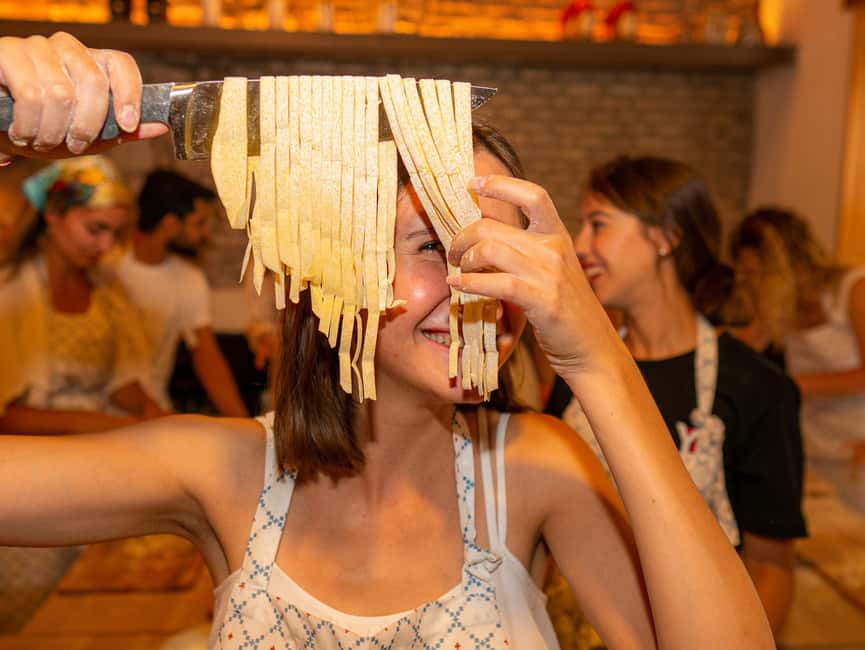
The two sauces give the meal its Roman identity. Carbonara is likely to be the bigger draw for many people, and the class puts the emphasis where it belongs: texture, timing, and restraint. The goal is a smooth sauce rather than scrambled egg mixed with noodles.
Cacio e Pepe is a different kind of lesson. It has very few ingredients, so there is nowhere to hide poor technique. Cheese, pepper, and pasta water must come together properly. The chef’s advice is valuable here because a small change in heat or liquid can affect the final result.
You may not personally prepare every sauce from start to finish. The stated experience includes instruction in both Roman recipes, and the exact division of tasks can depend on the session. In some classes, the chef has prepared the sauces while explaining the ingredients and method, then the group has cooked and eaten the pasta together. If your main goal is to make every sauce yourself, ask about the day’s format at the start.
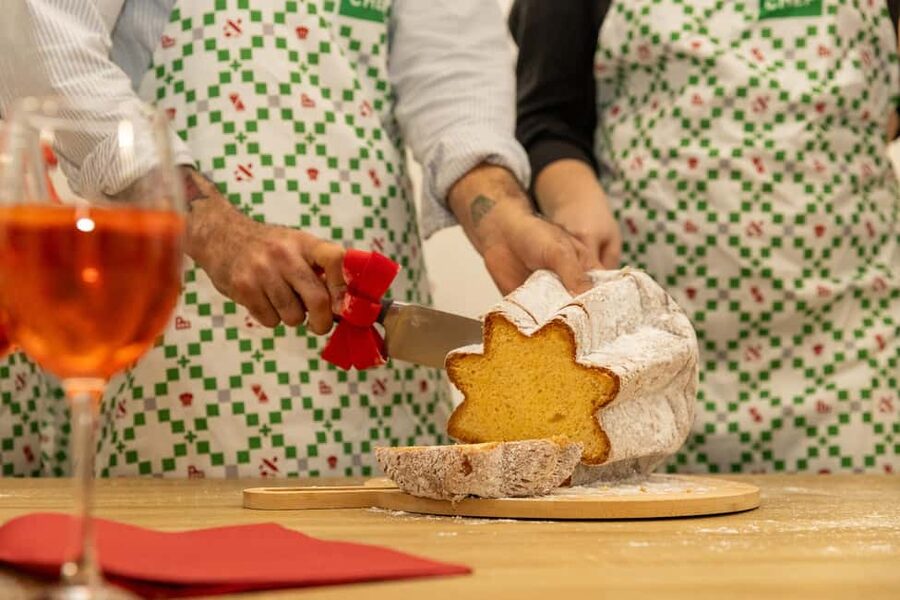
Some sessions have also included tiramisu and wine, but the published inclusions for this experience focus on homemade pasta and the three cocktails. Treat dessert as a possible variation, not a guaranteed part of the booking. The recipes sent afterward are the safer souvenir.
More cocktail tours in Rome:
- Rome: Pizza Making Cooking Class With Spritz Cocktails
★ 4.9 · 61 reviews - Rome: Evening Walking Tour with Cocktails and Local Guide
★ 4.2 · 19 reviews - Rome: “Rooftop Pasta and Cocktails Cooking Class”
★ 5.0 · 12 reviews - Amsterdam: Luxury Saloon Boat Cruise with Cocktails & Waffle
★ 5.0 · 5,935 reviews
A social class that works well for solo visitors
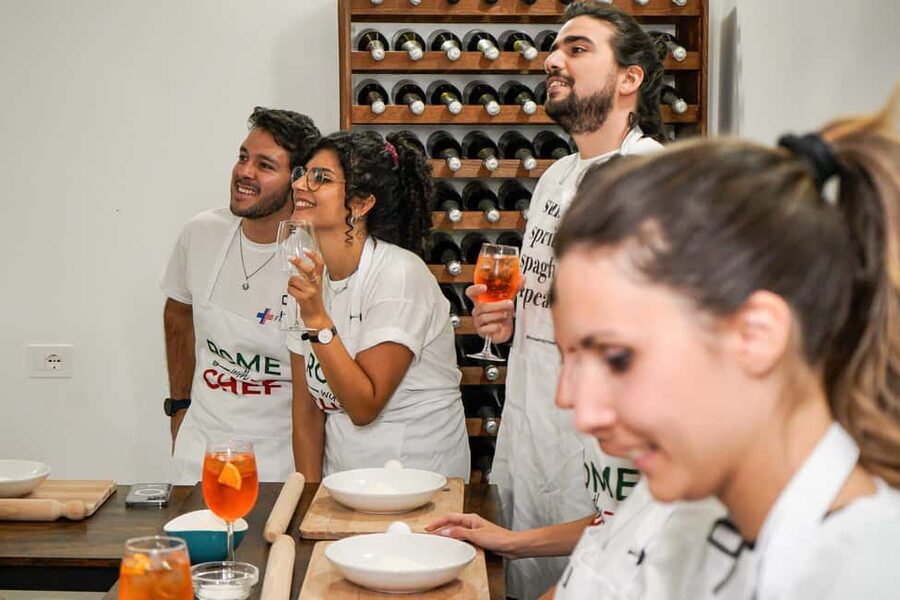
The group setup is a major part of the appeal. You are not just paying for a plate of pasta. You are joining a table where the cooking gives strangers an easy reason to talk.
That makes the class particularly useful if you are traveling alone or want an evening activity that does not feel like another museum visit. People can meet while rolling dough, compare pasta shapes, and share the meal at the end. The chef helps set that tone, with past sessions led by instructors who were funny, welcoming, and active about getting the group involved.
The experience can also suit couples and small groups of friends. Private options are available if you want the chef’s attention focused on your own party. A small-group class usually offers the better balance for people who want both instruction and new company.
The social format has one trade-off. Group energy varies. A lively class can make the evening memorable, but it may not suit someone who wants a quiet, highly technical lesson. If you prefer a more controlled pace, choose the private option when available.
What the two to three hours feel like
The schedule is compact but full:
- You meet the chef and settle into the central kitchen.
- You watch a mixology demonstration and learn the Aperol Spritz.
- You make fettuccine from scratch while enjoying the first drink.
- You receive instruction on Carbonara and Cacio e Pepe.
- You prepare or finish the meal with the group.
- You taste the Hugo Spritz and Limoncello.
- You sit down to eat the homemade pasta and continue the evening with the group.
The activity can work at lunchtime or in the evening, depending on the available starting time. A rainy day is no problem, since the cooking takes place indoors. In the evening, the drinks and shared meal give it a natural dinner-party feel. At midday, it becomes a useful break from sightseeing, though you may want to plan a slower afternoon afterward.
The setting is described as central and convenient, but the exact meeting point can vary by option. Check the address carefully on the booking confirmation, especially if you are choosing between a small-group and private session.
Is $89.50 a fair price?
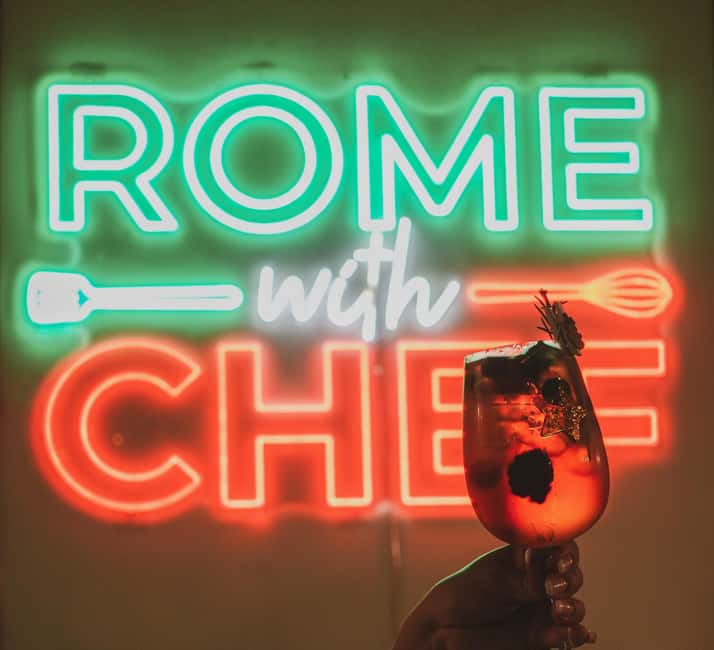
At $89.50 per person, the class is not the cheapest pasta lesson in Rome. It is also more than the cost of buying a casual bowl of pasta. The value comes from the combination: a chef-led lesson, fresh ingredients, a meal, three cocktails, and recipes to use later.
If you compare it with dinner alone, the price looks stronger. You receive food and drinks while also getting two to three hours of structured activity. The class can replace an evening meal and provide a social experience that is harder to price.
The value is best for you if you care about learning the process. If you only want to eat Carbonara, a restaurant will be simpler and likely cheaper. If you want to understand how the pasta and sauces come together, then practice the recipes at home, the added cost makes sense.
Fresh ingredients are included, and vegetarian pasta options are available. The limits are important, though. The menu uses gluten and dairy, and the class cannot accommodate vegan diets, coeliac disease, gluten intolerance, or lactose intolerance. Tell the provider about any dietary restriction in advance, but do not book this as a safe option for a strict gluten-free or dairy-free diet.
The chefs make the difference
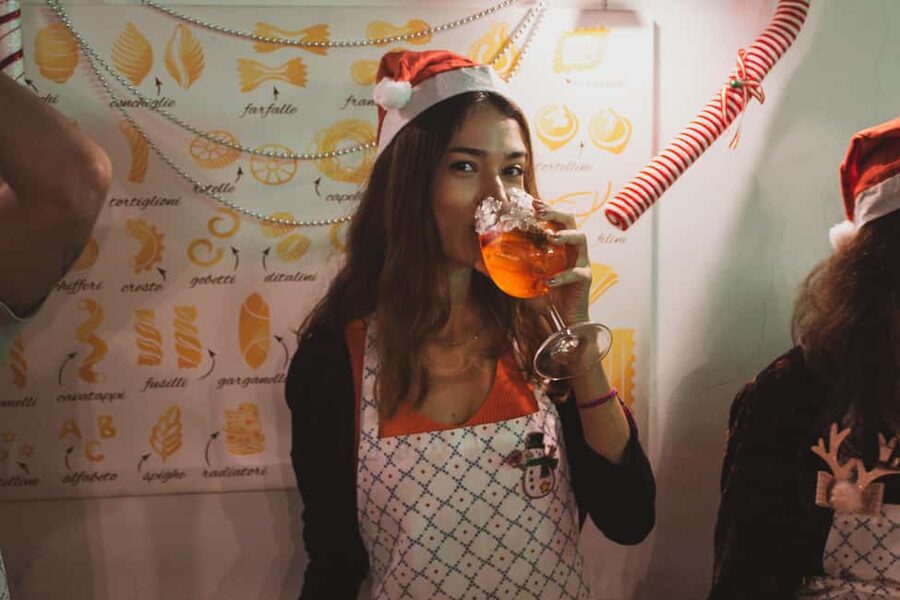
The chef is the part of the experience you cannot fully predict in advance. The instructors named in past sessions have included Marzia, who was praised for clear tips and a welcoming manner; Mattia, who brought strong food knowledge and a friendly style; and Frederico, who used family memories to give the dishes a personal connection.
Marcella and Loana have also led sessions together, with Marcella teaching and Loana helping host the group. Other classes have featured Juan, Aria, Adriano, Sunny, Emma, and Georgia. Georgia has also provided restaurant suggestions for the rest of a Rome visit, which can be a helpful bonus if you are still deciding where to eat.
The important point is not memorizing the names. It is understanding that the experience depends on the person leading your class. You can expect English instruction, chef guidance, and practical help, but the amount of cooking you personally do and the pace of the evening may vary.
Who should book this experience?
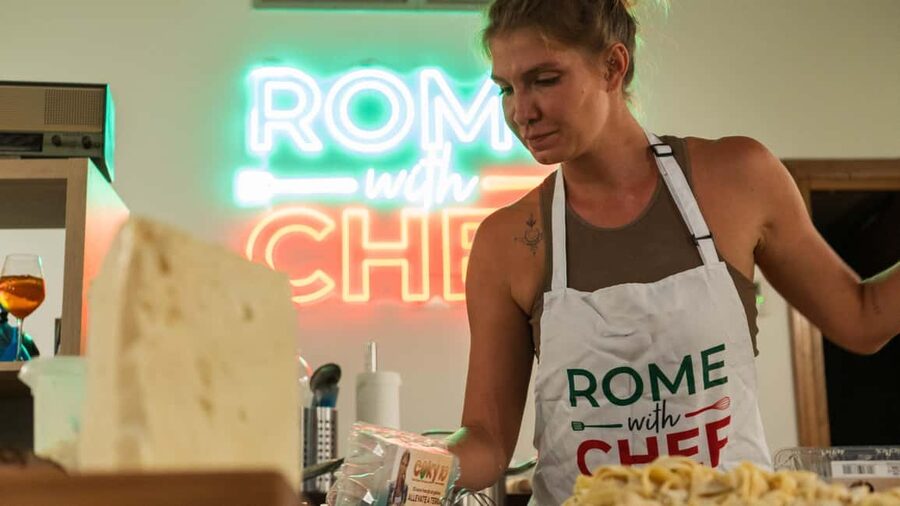
I would choose this class for:
- Solo visitors who want an easy social evening.
- Couples looking for an activity beyond the usual Roman sights.
- First-time pasta makers who want guidance without a formal school setting.
- Food lovers interested in Carbonara and Cacio e Pepe.
- People who enjoy cocktails and a relaxed group atmosphere.
- Anyone visiting Rome during wet weather who wants an indoor activity.
I would skip it if you dislike alcohol, cannot eat gluten or dairy, or want a strictly vegan menu. I would also choose another format if you want advanced pasta technique or a quiet, private dinner with no group interaction.
Cancellation is flexible up to 24 hours before the activity for a full refund, and you can reserve now and pay later. Those terms help if your Rome schedule is still changing, though the cooking class itself has limited spots and starting times vary.
Should you book the Rome pasta and spritz class?
Book it if you want more than a meal. The combination of fresh fettuccine, Roman sauces, three cocktails, and a friendly group gives you a useful slice of everyday Italian food culture without requiring a full day away from Rome’s sights.
The strongest reason to go is the practical payoff. You can return home with recipes for Carbonara and Cacio e Pepe, along with a better feel for fresh pasta and Italian drinks. At the same time, you should be comfortable with gluten, dairy, and alcohol, and you should enjoy a social setting.
For the right person, $89.50 buys dinner, a cooking lesson, and a ready-made evening of conversation. That is a solid Rome experience. Just confirm the meeting point, check the menu for your session, and book only if the dietary rules work for you.
FAQ
How long does the pasta and spritz class last?
The activity lasts about two to three hours. Starting times vary, so you need to check availability for the date you want.
Which cocktails are included?
The class includes three cocktails: Aperol Spritz, Hugo Spritz, and Limoncello. A mixology demonstration is also included.
Will I make pasta from scratch?
Yes. The class includes making homemade fettuccine from scratch, followed by instruction on Roman dishes such as Carbonara and Cacio e Pepe.
Is the class taught in English?
Yes. The live chef-led instruction is in English.
Are vegetarian options available?
Yes. Vegetarian pasta options are available. The class cannot accommodate vegan, gluten-free, coeliac, gluten-intolerant, or lactose-intolerant diets.
Is this a private class or a group activity?
You can choose between private and small-group options, depending on availability and the option booked.
Can I cancel the booking for a refund?
Yes. You can cancel up to 24 hours in advance for a full refund. Reserve-now, pay-later booking is also available.
More Pasta in Rome
- Rome: Pasta & Tiramisu Class with Free Flowing Fine Wine
★ 4.9 · 416 reviews - Florence: Handmade Pasta & Dessert Class with Unlimited Wine
★ 4.8 · 788 reviews - Verona: Pasta and Tiramisu Cooking Class With Free Flowing Wine
★ 5.0 · 575 reviews - Florence Food Tour with Truffle Pasta, Steak & Free Flowing Wine
★ 5.0 · 278 reviews
More Cooking Classes in Rome
- Rome Cooking: Pasta & Tiramisu Making, Free-Flowing Fine Wine
★ 5.0 · 349 reviews - Rome: Pizza Cooking Class in Piazza Navona with Drinks
★ 4.7 · 133 reviews - Rome: Hands-On Pizza Cooking Class with Spritz Mixology
★ 4.9 · 90 reviews - Rome: Cooking Class – Pizza & Gelato with Free Flowing Wine
★ 5.0 · 4 reviews
Just added around Rome
- Rome: Hands-On Pizza Cooking Class with Spritz Mixology★ 4.9 · 90 reviews
- Rome: “Rooftop Pasta and Cocktails Cooking Class”★ 5.0 · 12 reviews
- Rome: Pizza Making Cooking Class With Spritz Cocktails★ 4.9 · 61 reviews
- Rome: Pizza Making Class with Gelato & Drinks Included★ 4.8 · 23 reviews
- Rome: Nightlife Tour & Guided Bar Crawl with Games & Karaoke★ 4.9 · 75 reviews
- Rome: NYE Pub Crawl and Club★ 5.0 · 5 reviews
- Rome: Guided Bar Crawl in Trastevere★ 4.6 · 18 reviews
- Rome: Cooking Class – Pizza & Gelato with Free Flowing Wine★ 5.0 · 4 reviews
Rome Boozy Tours, compared.
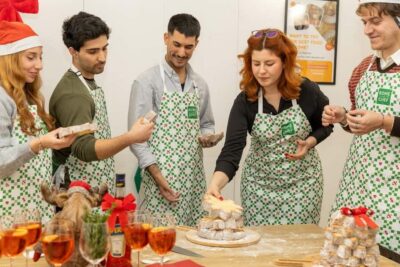
Rome Cooking Class: Make Pasta and 3 Spritz Cocktails
Read our review →
Pasta Cooking Class Near the Colosseum with 3 Spritz Cocktails
Read our review →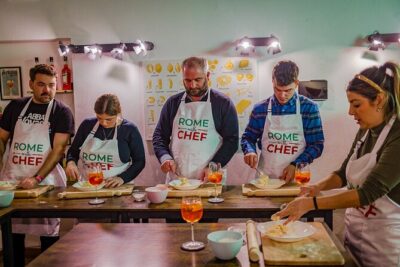
Rome Tipsy Cooking Class: Make Pasta and Mix 3 Spritz Cocktails
Read our review →
Pizza & Tiramisu Class with Free Flowing Fine Wine
Read our review →
Rome Bar Crawl: Interactive Night Tour with Games and Karaoke
Read our review →
Pizza & Tiramisu Class with Free Flowing Fine Wine
Read our review →
Forbidden History Walking Tour & Pub Crawl with Drinks
Read our review →Browse the lists this tour appears in