
REVIEW · COCKTAIL TOURS AND TASTINGS
Cusco: Peruvian Cooking Class, Cocktails & Local Market Tour
San Pedro Market is the real starting point here, not a quick photo stop. You walk through Cusco’s long-running food market, sample items such as local cheese, bread, chocolate, fruit, and cacao, then use that food knowledge in a cooking studio in the historic center. The class is led by Chef Jesus, although guides named Jorge and Eric have also led some sessions.
I like the way the market visit gives the cooking class a sense of place, and I like the friendly, practical teaching style. You make two pisco cocktails, three savory dishes, and picarones, with recipes sent afterward so you can try them at home. The main consideration is that the class is four hours long and some parts involve assembling and plating more than intensive cooking.
Key points to know before booking
- San Pedro Market comes first: Taste and learn about cheese, bread, fruit, chocolate, cacao, quinoa, potatoes, and other local foods before heading to the kitchen.
- Three Peruvian dishes are prepared: The menu includes ceviche, causa limeña, and a quinoa tamal, followed by picarones with honey.
- Two cocktails are part of the class: You prepare pisco cocktails, with nonalcoholic versions available.
- Small groups keep the class personal: The maximum is 10 people, and the class is taught in English.
- Dietary needs can be handled: Vegetarian, vegan, and gluten-free menus are available, though you should repeat your needs when you arrive.
- Plan around the altitude and the schedule: Comfortable shoes, loose clothing, and a four-hour block make the experience easier, especially during your first days in Cusco.
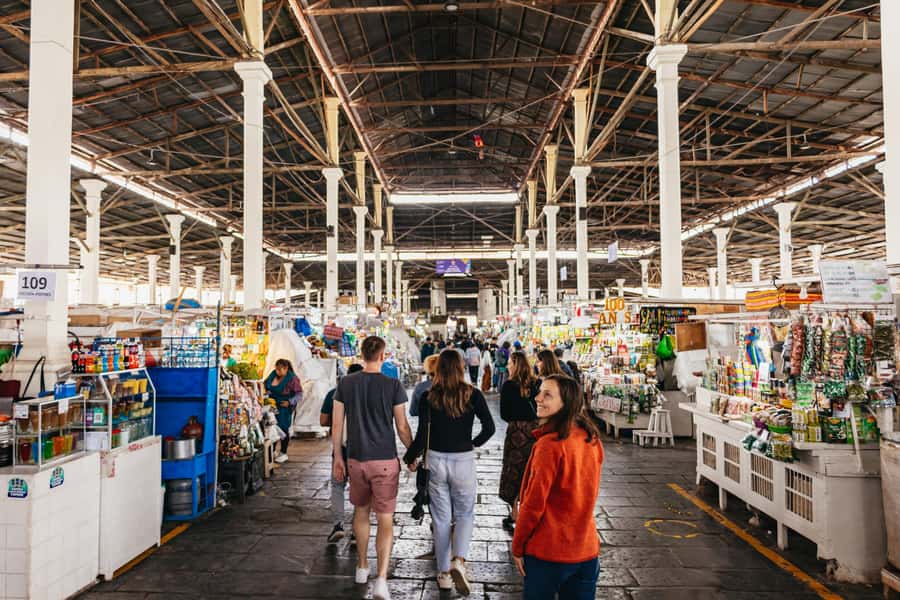
San Pedro Market gives the class its local flavor
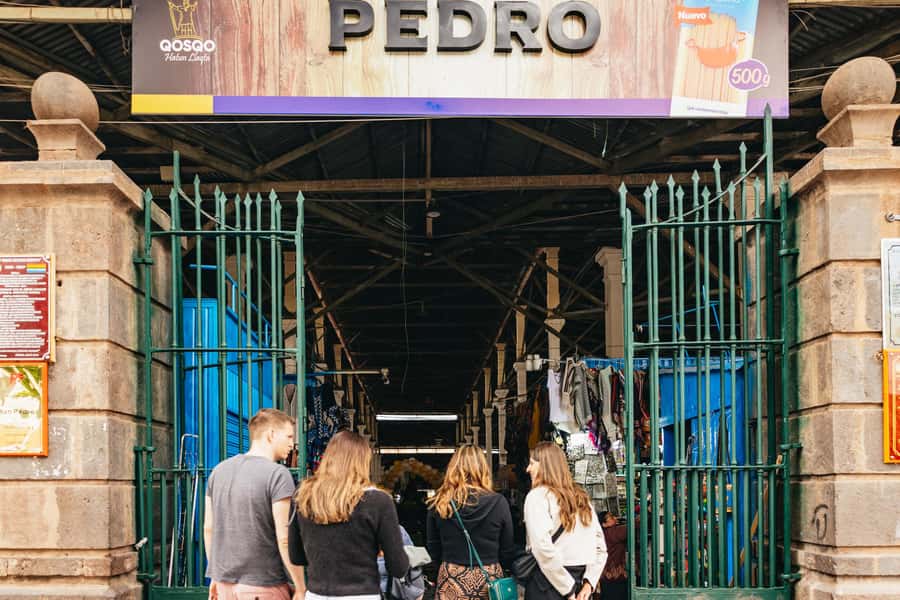
Meet at Door Number 1 of San Pedro Market. That clear meeting point matters because the market is large, and you do not want to spend the first part of your class trying to find the group.
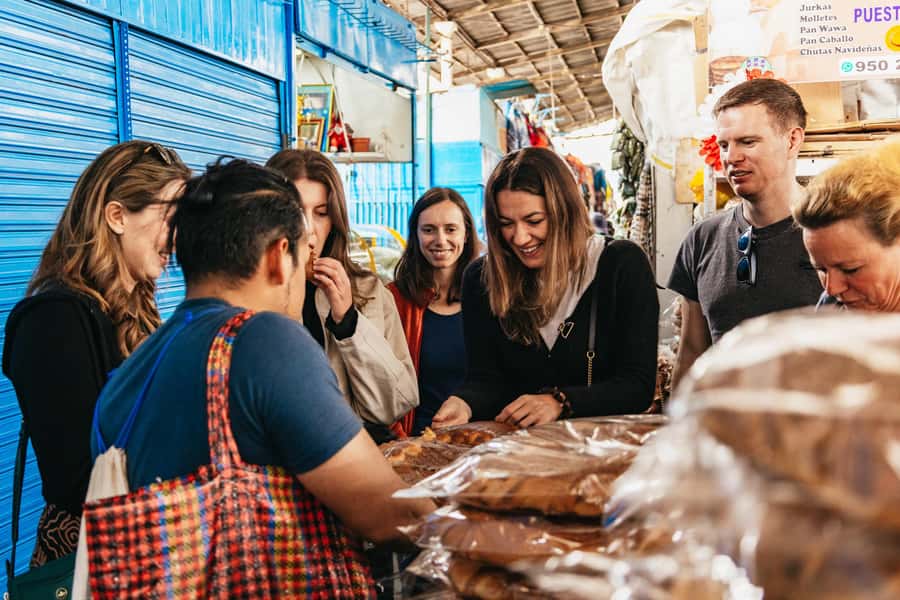
The market is one of the oldest in Cusco. Rather than simply walking past stalls, you get an introduction to the ingredients that shape Peruvian cooking. Expect to see unusual fruits, local cheeses, fresh bread, chocolate, cacao, quinoa, potatoes, and other products used in daily life.
The food tasting is one of the best parts of the morning or afternoon. You may sample cheese, bread, chocolate, coffee, and passion fruit, depending on the guide and the market conditions. This turns a familiar market walk into useful preparation for the meal ahead. When you later handle causa or quinoa, you already have a better idea of where the ingredients came from.
I also like that the market visit is not treated as a polished tourist display. One group arrived when San Pedro was closed for cleaning and was taken instead to a local food market. The guide bought the ingredients there, and the experience still worked well. That suggests the market portion may change if local conditions require it, but the food focus remains intact.
There is one practical point to keep in mind. Markets can be crowded, noisy, and full of strong smells. Wear shoes you can walk in comfortably, keep your belongings close, and come ready for a sensory experience rather than a quiet guided stroll.
More cocktail tours in the world:
- Key West Afternoon Snorkel Sail with Unlimited Cocktails!
★ 4.5 · 1,572 reviews - Aruba Happy Hour Sunset Sail with Savory Bites and Cocktails
★ 4.5 · 1,488 reviews - Rhodes Exclusive Swim Cruise Cocktail Open bar & Gourmet Buffet
★ 5.0 · 1,230 reviews
From market stalls to the cooking studio
After the market, you take a short walk to the cooking studio in Cusco’s historic center. The transition from old market aisles to a clean, modern kitchen is part of the appeal. You get both sides of the food story: traditional ingredients first, then a tidy place to prepare them.
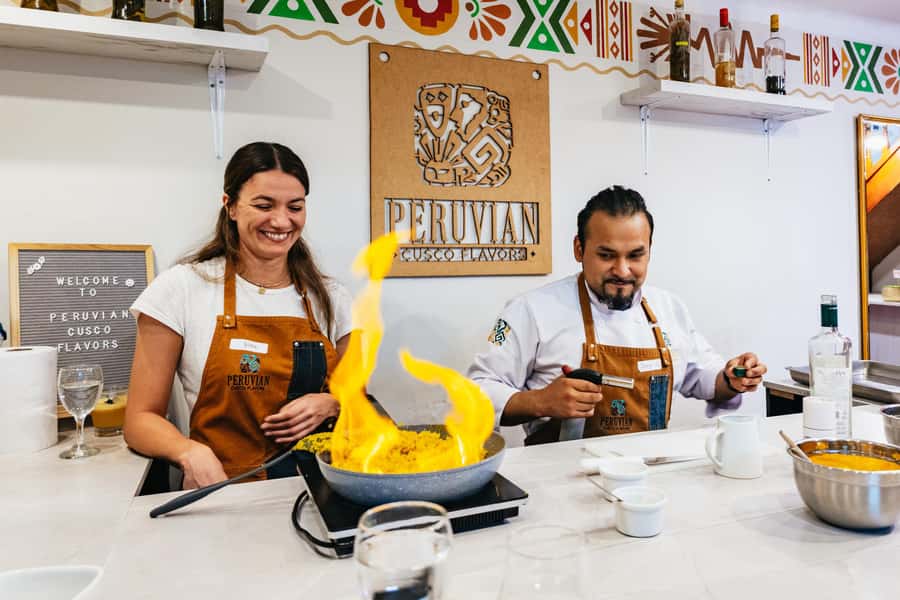
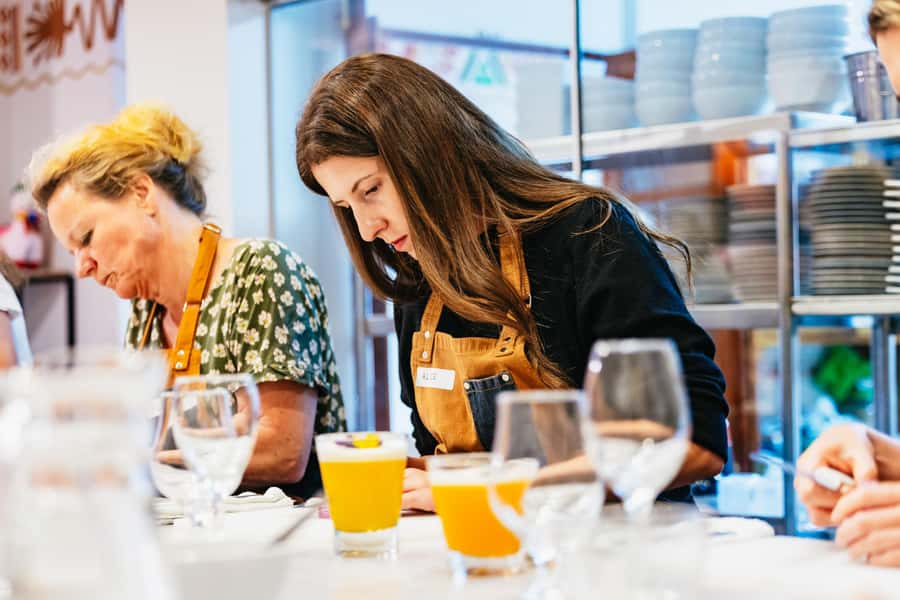
You put on an apron and settle into the kitchen. The group size is limited to 10, which is small enough for the chef to help with knife work, mixing, shaping, and plating. It also gives the class a social side. You share a table, prepare food together, and have plenty of time to talk with the people beside you.
The atmosphere is relaxed, but this is still a four-hour activity. It is not a quick demonstration followed by a small tasting. You prepare several courses and drinks, then sit down to eat them. I would avoid scheduling a major activity immediately afterward.
The teaching is one of the strongest features. Chef Jesus is specifically named in the experience information, while sessions have also been led by Jorge and Eric. Their role goes beyond reading out instructions. They explain the background of the dishes, describe Peruvian ingredients, answer questions, and help you keep pace with the group.
Making pisco cocktails before lunch
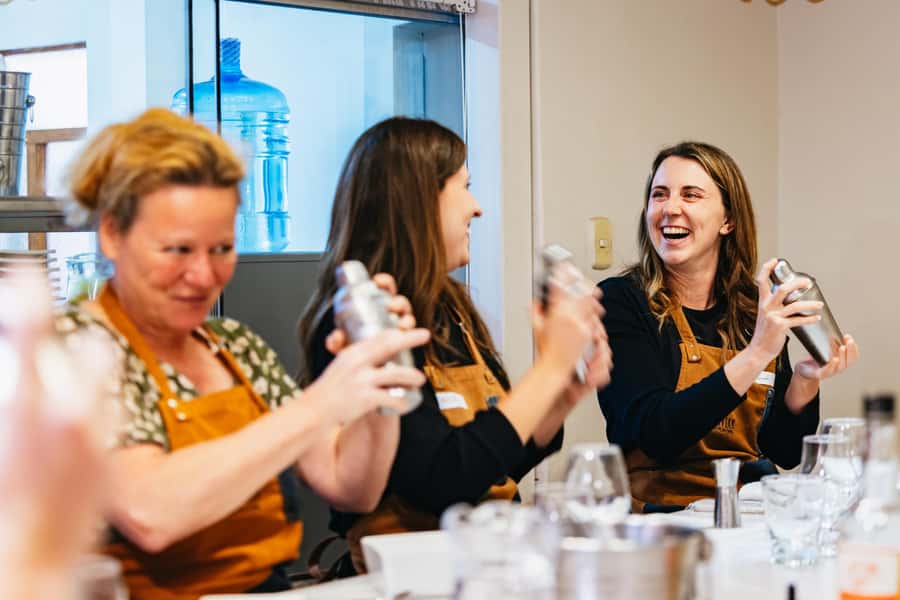
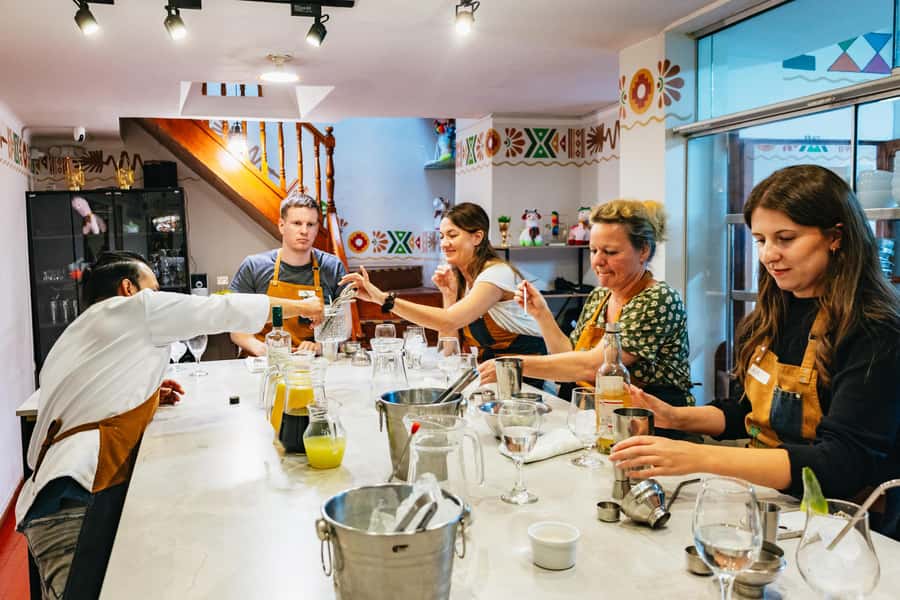
The class begins in the kitchen with a Peruvian cocktail. You make two cocktails during the activity, usually based on pisco, the grape spirit closely linked with Peru. The drinks provide an easy opening exercise because you can begin measuring, mixing, and tasting before tackling the food.
Cocktail preparation also helps the group settle in. Cooking classes can feel awkward for the first few minutes, especially when strangers share a worktable. A drink in hand and a simple task to complete usually gets conversation moving.
You do not need to drink alcohol to enjoy this section. Nonalcoholic recipes are available, and the class can adapt drinks for people who prefer not to have alcohol. One participant made nonalcoholic drinks and still took part fully in the activity.
The two cocktails add real value to the $67 price, particularly if you are interested in more than food. Still, this is not a cocktail workshop. The drinks are part of a wider Peruvian food lesson, so book it for the complete combination rather than expecting a long spirits class.
Ceviche, causa, and quinoa tamal on the menu
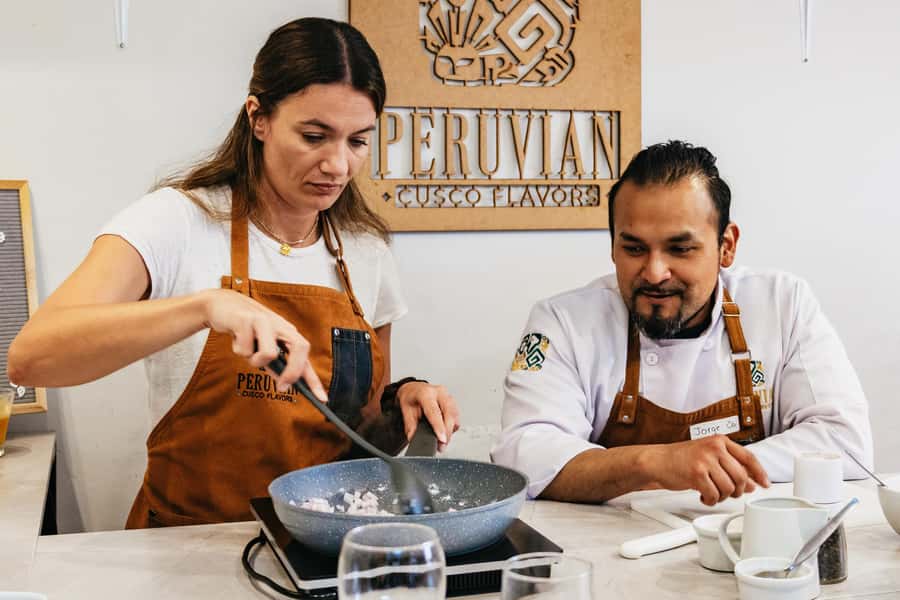
The savory menu introduces three well-loved Peruvian dishes. The chef explains each recipe step by step, then guides you through the preparation.
Ceviche is likely to be the most familiar name, but the class gives you a closer look at how Peruvian versions are built. Fresh ingredients, citrus, seasoning, and careful assembly all matter. A well-prepared ceviche can look simple, yet the balance is easy to miss. Having the chef present helps you understand how the components work together.
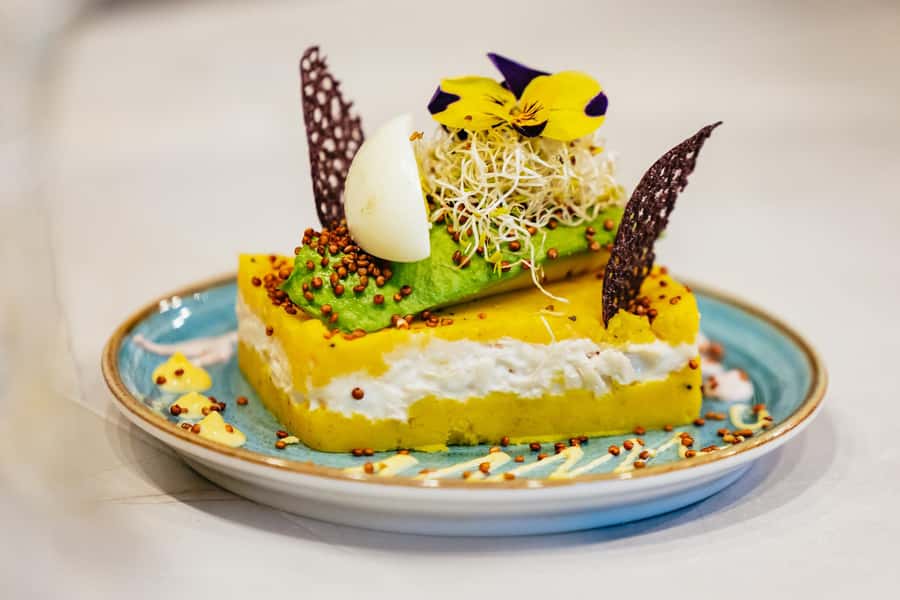
Causa limeña is one of the more hands-on dishes. It uses potato as a base and is shaped and plated rather than simply stirred together. One participant said the class made them feel like a chef while assembling the causa, which captures the appeal of this course. You get a finished dish that looks more polished than the effort required might suggest.
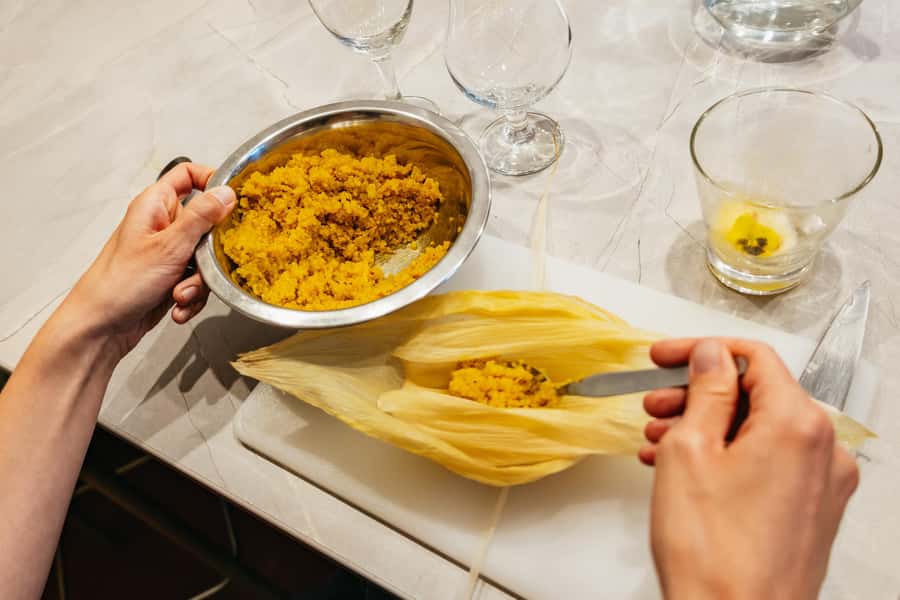
Quinoa tamal adds a highland ingredient to the menu. Quinoa is strongly associated with the Andes, and using it in a tamal shows a side of Peruvian cooking that differs from the coastal ceviche. The three dishes together give you a wider look at Peru’s food traditions rather than focusing on one style.
The class includes some preparation in advance, so this is not the same as cooking every ingredient from scratch. One useful description is that it combines hands-on preparation with some ready-prepared elements. That keeps the pace manageable and lets you focus on technique, flavor, and presentation.
You then eat what you make. That sounds obvious, but it changes the experience. You are not watching a chef create a beautiful plate and receiving a separate sample. You take part in the process and then sit down to enjoy the result with your group.
A few more boozy trips around the world worth a look
- Paella Cooking Class in Madrid with Bottomless Wine Pairing
★ 5.0 · 985 reviews - Verona: Pasta and Tiramisu Cooking Class With Free Flowing Wine
★ 5.0 · 575 reviews - Taste of Spain: Tapas Cooking Class with Bottomless Wine Pairing
★ 5.0 · 414 reviews - Alicante Paella Cooking Class, Tapas, Drinks and Marketplace
★ 5.0 · 349 reviews
Picarones finish the meal on a sweet note
The final tasting is picarones with honey. These Peruvian doughnuts are a sweet ending after the ceviche, causa, and quinoa tamal. The class includes a taste of them rather than presenting them as another full recipe to master.
Sugar-free and gluten-free options are available. If you have a dietary restriction, tell the provider when booking and repeat it at the start. One participant noted some confusion about a gluten-free request, even though it had been included in the reservation. The broader record shows that the kitchen has handled vegan, vegetarian, and gluten-free adjustments well, but clear communication is still wise.
The meal is substantial. One person advised arriving hungry because a lot of food is prepared. I agree with that practical advice. This is not a light snack between sightseeing stops, and you may not want to plan a large dinner right after it.
Dietary choices are handled with useful flexibility
Vegetarian, vegan, and gluten-free menus are offered. The class can also provide nonalcoholic cocktails. This makes it a good option for mixed groups, since one person can eat vegetarian food, another can avoid gluten, and others can enjoy the standard menu without splitting up.
The adjustments are not described as an entirely separate experience. Instead, the chef modifies parts of the dishes so everyone can take part in the same general meal. That is important in a group class. You do not want to sit apart while everyone else prepares something different.
Still, do not assume that a restriction mentioned weeks earlier will be remembered perfectly. State it clearly at the beginning. If you have a serious allergy, ask for confirmation before booking, since the supplied information confirms menu options but does not detail allergy controls.
Children under 10 are not permitted. The class suits adults and older children who can stay engaged for four hours. A 12-year-old took part successfully with a parent, and mocktails and vegetarian versions helped make the activity work for that family.
Why the four-hour schedule can be a good idea in Cusco
The activity lasts four hours, which is long enough to combine a market visit, two drinks, several dishes, dessert, and conversation without racing through the steps. You get time to ask questions and watch the chef demonstrate techniques.
It can also fit well during your first days in Cusco. Several people used it as an easy cultural activity while adjusting to the altitude, and one participant described it as a good choice before heading to the Inca Trail. You remain in the city, walk only a short distance between the market and studio, and spend much of the time seated or working at a comfortable pace.
That does not mean you should ignore the altitude. Cusco sits high, and cooking plus drinks may feel more tiring than expected during your first day or two. Drink water, use the nonalcoholic cocktail option if alcohol affects you, and wear comfortable clothes and shoes.
The activity is offered in English only. If you need another language, this is not the right choice. For English speakers, the small group and direct chef instruction make it easier to follow the recipes and ask about ingredients.
Is $67 a fair price for this Cusco experience?
At $67 per person, the price is reasonable if you value a complete half-day activity rather than a short cooking demonstration. The cost covers a market tour, ingredients, a professional chef, the class, three dishes, two cocktails, water, and picarones.
You also receive more than a meal. The market visit gives you context, the chef explains the dishes and their cultural background, and you take away recipes that can be recreated at home. Some participants received recipes by email, which adds value after your trip.
The price looks especially good for a small group capped at 10. A larger class might cost less, but you would likely get less direct help with shaping, mixing, and plating. Here, the chef can keep an eye on each table and make adjustments for different diets.
It is less attractive if you want an advanced chef-training course. Several stages involve assembling, tasting, and presentation, with some ingredients prepared ahead of time. You are learning practical home-cooking ideas and Peruvian food culture, not earning professional kitchen skills.
Free cancellation is available up to 24 hours before the start, and you can reserve now and pay later. Those terms help if your Cusco plans may shift, though you should still check the available start time before committing.
Who will enjoy this class most?
I would choose this activity for you if you want to understand Cusco through food rather than only through monuments. It works well for couples, friends, solo participants, and families with children aged 10 or older.
It is also a smart choice for a mixed-diet group. The ability to prepare vegetarian, vegan, gluten-free, and nonalcoholic versions means everyone can sit down to the same shared meal.
You should choose something else if you dislike markets, group activities, alcohol-focused menus, or long meals. You should also skip it if you want a completely private class or a highly technical course.
The strongest part is the connection between the market and the table. You see the ingredients, taste some of them, hear how they fit into Peruvian cooking, and then use them in a meal. That gives the class more meaning than a cooking lesson held in isolation.
Should you book the Cusco cooking class?
Yes, I would book it if you have four free hours and want a social, food-focused way to get your bearings in Cusco. The combination of San Pedro Market, local tastings, pisco cocktails, three recognizable Peruvian dishes, and a chef-led meal offers good value at $67.
Book it early in your stay if you want a gentle introduction to local food, or near the end if you want recipes and ideas to take home. Tell the provider about dietary needs more than once, arrive ready to eat, and wear shoes suited to the market walk.
The class is not perfect for someone seeking intense hands-on cooking from start to finish. For most people, though, the balance is the point: enough preparation to feel involved, enough guidance to avoid frustration, and enough food to make the four hours feel worthwhile.
FAQ
Where does the Cusco cooking class meet?
Meet at Door Number 1 at San Pedro Market in Cusco.
How long does the activity last?
The experience lasts four hours.
What language is the class offered in?
The live tour guide and cooking class are offered in English only.
How many people are in the group?
The group is limited to 10 participants.
Which dishes will I prepare?
You will prepare ceviche, causa limeña, and a quinoa tamal, then finish with picarones and honey.
Are cocktails included?
Yes. Two cocktails are included, along with nonalcoholic recipes for participants who do not want alcohol.
Can I join if I am vegetarian or vegan?
Yes. Vegetarian and vegan menus are available.
Are gluten-free options available?
Yes. A gluten-free menu is available. State your dietary requirement when booking and confirm it again at the beginning of the class.
Can children join the experience?
Children under 10 are not permitted. Children aged 10 and older may join, subject to the booking arrangements.
What should I bring?
Wear comfortable shoes and comfortable clothes. You may also want to arrive hungry, since the class includes several dishes, drinks, and a dessert tasting.
More Shopping Tours in the world
- Classic Athens Food Tour with Local Drink & Market Visit
★ 5.0 · 34 reviews - Kathmandu: Food, Drink and Shopping Rickshaw Tour
★ 4.9 · 15 reviews - Kathmandu: Food, Drink and Shopping Rickshaw Tour
★ 4.7 · 7 reviews - Sydney Fish Market: Tide to Table Seafood Tour with Drink
★ 5.0 · 2 reviews
More Market and Tasting Walks in the world
- Interactive Paella & Market: Bottomless Wine & Rambla Views
★ 5.0 · 376 reviews - Alicante Paella Cooking Class, Tapas, Drinks and Market
★ 4.9 · 301 reviews - Classic Athens Food Tour with Local Drink & Market Visit
★ 4.9 · 99 reviews - Manavgat Cruise & Grand Bazaar w/Lunch and Unlimited Drinks
★ 3.8 · 71 reviews
Just added around the world
- Cancun: Private Catamaran with Open Bar & Snorkeling Option★ 4.5 · 10 reviews
- Luxury Sunset Sailing Cruise in Cancun with Light Dinner and Open Bar★ 4.5 · 82 reviews
- Cancun 4 hour Private Yacht Experience with Lunch and Open Bar Onboard★ 5.0 · 15 reviews
- Splendid Isla Mujeres Catamaran: drinks and fun all day!★ 5.0 · 5 reviews
- Live a Romantic Night Cruise Dinner at COLUMBUS (open bar included)★ 4.0 · 4 reviews
- Cancun Private Catamaran Cruise– Open Bar & Snorkeling Experience★ 5.0 · 6 reviews
- 2 Island Adventure: Contoy & Mujeres with Snorkeling & open bar★ 4.5 · 6 reviews
- Pirate Ship Jolly Roger with Dinner and Open Bar★ 5.0 · 5 reviews
Cocktail Tours and Tastings, compared.

Luxury Saloon Boat Cruise with Cocktails & Waffle
Read our review →Luxury Saloon Boat Cruise with Cocktails & Waffle
Read our review →
Rome Cooking Class: Make Pasta and 3 Spritz Cocktails
Read our review →
City Centre Canal Cruise & Free Flower Cocktail
Read our review →
Oahu’s Waikiki Coast: Moana’s Sunset Cocktail Sail
Read our review →
Food & Mixology Tour:Tequila,Tacos, Mezcal and Agave Cocktails
Read our review →
Pasta Cooking Class Near the Colosseum with 3 Spritz Cocktails
Read our review →
Key West Afternoon Snorkel Sail with Unlimited Cocktails!
Read our review →Browse the lists this tour appears in