
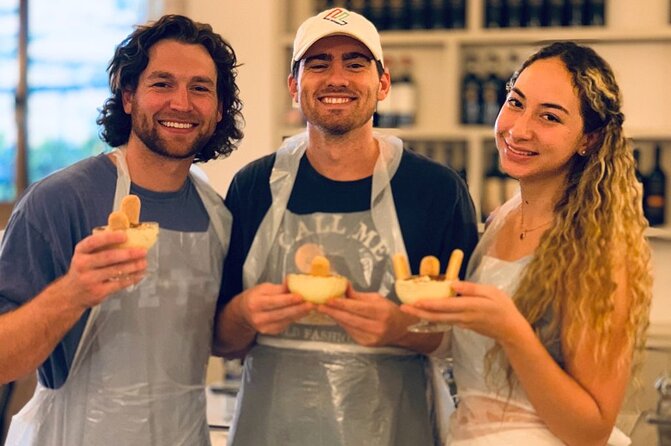
REVIEW · ROME
Rome: Pizza & Tiramisu Class with Free Flowing Fine Wine
The best part of this Rome cooking class is that you do not simply sit down to eat pizza. You make the dough, prepare tiramisu, and then enjoy the meal at the same table. The small group limit of 12 gives you a fair chance to ask questions and get help, while the central location at La Panetteria Ristorante makes it easy to fit into a day around the Trevi Fountain or Spanish Steps.
I like two things here: the hands-on format, which works well for families and couples, and the generous drinks included with lunch. The teachers, including Julia, Mattia, Fiammy, Mia, Elena, and others, are often praised for keeping the class cheerful and personal. The main caution is that this takes place in part of a working restaurant, so noise and nearby diners can sometimes affect the lesson.
Key points at a glance
- Make two Italian classics: Prepare tiramisu first, then work with pizza dough and toppings.
- Eat what you cook: Your pizza, dessert, and drinks form the main meal.
- Small class setting: The maximum group size is 12, with some sessions feeling nearly private.
- A social afternoon or evening: Wine, conversation, and shared cooking make this more than a recipe lesson.
- Good for children and adults: Families with children as young as nine have enjoyed the format.
- Check dietary limits carefully: Substitutions may be offered, but the instruction centers on recipes containing gluten, dairy, and eggs.
Making pizza near Rome’s famous sights
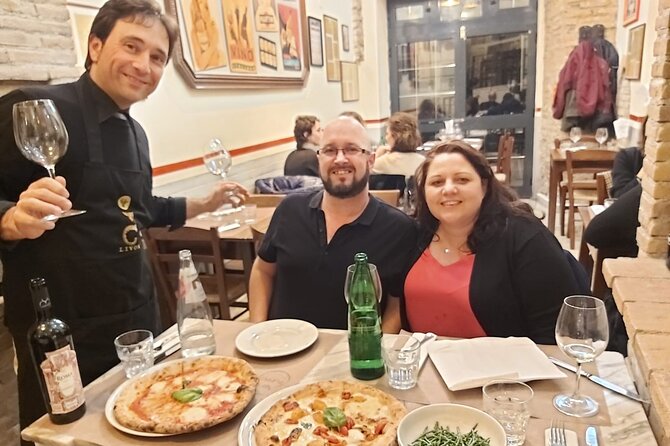
The class meets at La Panetteria Ristorante, at Via della Panetteria 13a/14, 00187 Rome. That puts you in a useful central position, close to major sightseeing areas and public transportation. One family combined a morning class with a stop at the Trevi Fountain beforehand, which is a sensible way to pair food and sightseeing without crossing the city several times.
The setting is a restaurant rather than a separate cooking school. You work in part of the dining room, usually toward the back. That gives the class a real restaurant feel, but it also means the room may not be silent. At busy times, other diners can sit nearby, and a large party may arrive during your lesson.
For me, this is an important tradeoff. You get to cook in a working Italian restaurant, not a polished studio designed only for demonstrations. The setting can feel lively and social, but you should not expect a quiet professional kitchen with every minute planned around teaching.
The activity lasts about three hours. Allow extra time if you have a fixed dinner booking afterward, since one session ran well past its planned start and finish. Most classes appear to fit comfortably into an afternoon or evening, but the pace can depend on the group, the teacher, and how much time everyone spends eating and talking.
A few more boozy trips around Rome worth a look
- Rome Cooking Class: Make Pasta and 3 Spritz Cocktails
★ 5.0 · 2,937 reviews - Pasta Cooking Class Near the Colosseum with 3 Spritz Cocktails
★ 5.0 · 1,686 reviews - Rome Tipsy Cooking Class: Make Pasta and Mix 3 Spritz Cocktails
★ 5.0 · 1,357 reviews
Tiramisu comes before the pizza
The usual order begins with tiramisu. This is a smart choice because the dessert needs time to come together before you turn to the pizza. You work through the components, assemble the dessert, and set it aside while the main course takes shape.
The lesson focuses on a traditional recipe using ingredients such as ladyfingers, mascarpone, and eggs. You get a practical introduction to the dessert rather than simply receiving a finished portion. Several instructors also explain family methods and small kitchen tips, although the amount of background information can vary from one teacher to another.
I would especially recommend this part to families. Children can take part in the mixing and assembly without waiting for dough to rise or watching a long demonstration. The class is also a good fit for couples who want an activity with a clear result but do not need an advanced culinary course.
Do not expect a pastry-school lesson. The main pleasure is making a familiar Roman dessert together, then eating it later. If you want detailed food history or technical instruction about every ingredient, the experience may feel light. If you want an easy recipe you can repeat at home, it is more useful.
Working with dough and building Roman pizza
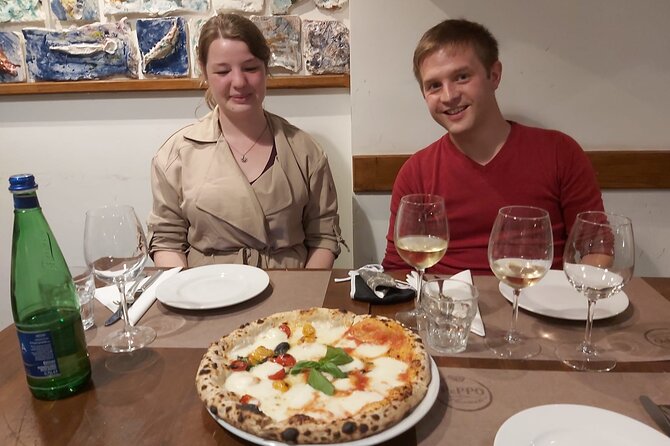
After tiramisu, the focus turns to pizza. You work with the dough, learn how it feels, and add the ingredients for your own Roman-style pizza. The class uses artisanal ingredients and traditional methods, but the exact level of technical detail depends on the chef leading your group.
That variation matters. Julia is praised for answering questions and giving individual coaching. Mattia is described as patient and attentive, even when managing a full group. Fiammy is often credited with keeping the mood relaxed while sharing cooking tips. Elena is noted for her energy, while other instructors have also been described as friendly and helpful.
The strongest part of the pizza lesson is the hands-on correction. Making dough looks simple until you handle it yourself. A good instructor can show you how to shape it, how much topping to use, and how to avoid turning it into a heavy, soggy meal. The class is not presented as advanced chef training, but you should come away with a better feel for what makes pizza dough work.
The food is prepared as a Roman pizza, rather than a formal Neapolitan pizza lesson. That distinction is useful if you care about regional styles. The class gives you an accessible introduction to a Roman version, with the reward of eating your own pizza at the end instead of receiving a separate restaurant meal.
Wine, soft drinks, and a long meal
Lunch includes the pizza and drinks. Wine is advertised as free flowing, and many sessions include regular refills. Soft drinks are also available, which helps families and anyone who does not want alcohol.
The wine is part of the social appeal. You sit, cook, talk, and eat with people from other countries. Solo participants can find it an easy way to meet others, while couples and families get a shared activity instead of another meal at a restaurant table.
Still, keep the wording in perspective. Free flowing does not mean the same amount for every group or every class. One person felt the wine could have been more generous, while another found the refills plentiful. The pace can also make the session longer, especially when the class shifts from cooking to eating and conversation.
Families should set their own limits. One mixed-age group enjoyed the class with children, but a separate account raised concern about several adults drinking heavily during a much longer session. The activity is not only a cooking lesson, it is also a social meal with alcohol. If you are bringing children, you may want to make clear that you prefer a moderate pace.
Same city, a completely different kind of round:
- Rome: Trastevere Food tour with Free-Flowing Fine Wine
★ 5.0 · 2,853 reviews - Rome Bar Crawl: Interactive Night Tour with Games and Karaoke
★ 5.0 · 769 reviews - Rome: Pub Crawl & Ultimate Party Tour
★ 4.4 · 713 reviews - Rome: Pizza & Tiramisu Class with Free Flowing Fine Wine
★ 4.9 · 697 reviews
Why the small group size matters
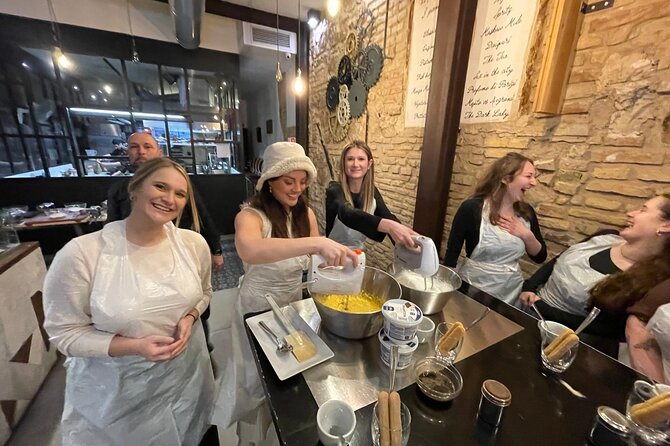
The maximum group size is 12. That is not a private lesson, but it is small enough for each person to handle ingredients and ask for help. A group of four once had the room almost to itself, creating a much more personal experience.
At full capacity, the teacher may need to move quickly. One instructor managed 12 people alone while teaching, serving drinks, clearing plates, and cleaning up. That sounds impressive, but it also explains why the class may feel less polished during busy sessions.
The best classes seem to depend heavily on the person leading them. A warm teacher can turn a basic lesson into a highlight of your Rome visit. The names associated with especially strong sessions include Julia, Mattia, Fiammy, Mia, Elena, Chiara, Thiara, and Irene. You may not be able to choose your instructor, so book this for the format rather than for a specific chef.
The social side is a major part of the value. You are not just learning alone at a workstation. You share a table, compare pizzas, and laugh at the occasional misshapen crust. That suits people who enjoy conversation. It may be less appealing if you want a quiet, highly technical class.
A family-friendly way to spend three hours
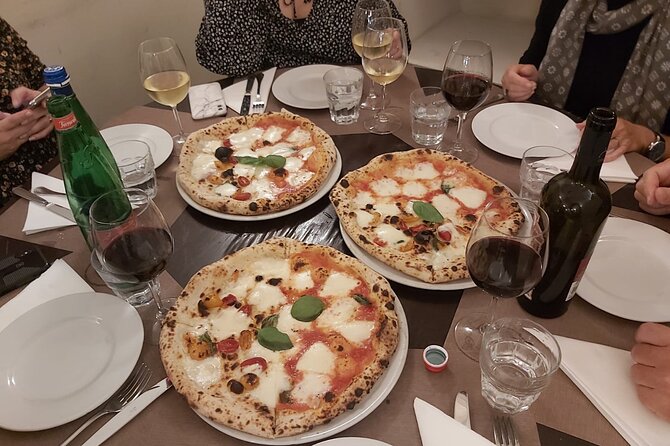
This is one of the better food activities for a family in Rome. Children aged nine and 11 took part in a morning session, prepared both dishes, and had lunch ready around noon. Another birthday group included ages 10 to 73, with everyone taking part.
The format gives children a real role. They can assemble tiramisu, work with dough, choose toppings, and eat the result. Adults can help without having to entertain them through a long lecture. The class also creates a useful break from churches, ruins, and crowded streets.
The main family concern is wine. Soft drinks are included, but the open-drink format may make the class feel more adult-oriented in some sessions. The restaurant setting can also become noisy, especially if another large party sits nearby.
For couples, the class works as a relaxed date activity. It has enough structure to avoid awkward dead time, but enough conversation to feel social. Solo participants can also fit in easily, since the shared table gives you natural company.
Dietary restrictions need careful planning
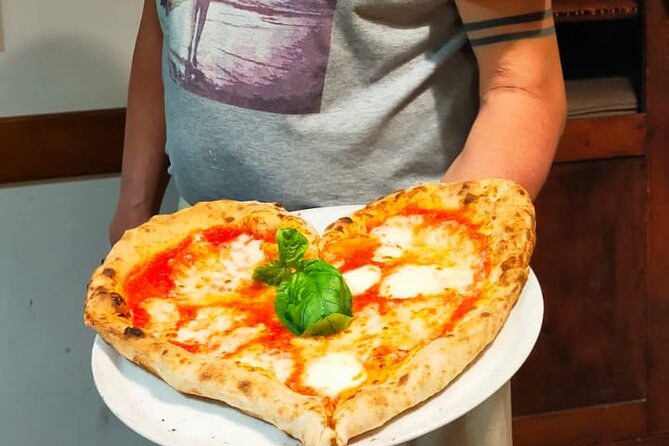
The standard recipes contain gluten, dairy, and eggs. The activity is not recommended for people with egg allergies, vegans, lactose-intolerant participants, or anyone with gluten intolerance or a gluten allergy.
Substitutions may be available for some food preferences and allergies, but the teaching still focuses on the traditional recipes. The organizer cannot guarantee that the food is free from cross-contamination. That makes this a poor choice for anyone who needs a strictly controlled kitchen.
If you have a mild preference rather than a serious allergy, contact the provider before booking and confirm what can be changed. Do not assume that a substitute turns the whole class into a fully adapted lesson. You may receive an alternative ingredient while still hearing instructions based on the standard recipe.
What the price includes at $47.16
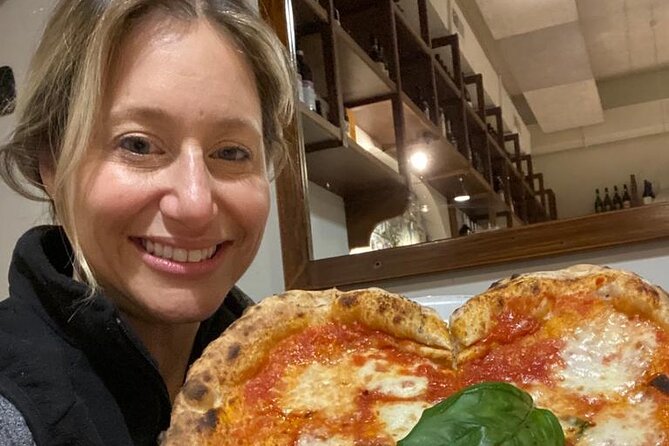
At about $47.16 per person, the class includes the instruction, the pizza meal, tiramisu, wine, and soft drinks. For Rome, that is a fair price for a three-hour activity that combines a lesson and lunch or dinner.
The value improves if you would otherwise pay separately for a restaurant meal. You are not only eating pizza, you are also getting a structured activity and the chance to make both dishes. The included wine adds to the appeal for adults, while families can make use of the soft drinks.
The value is less clear if you want advanced culinary training. The sauce may already be prepared, and not every instructor will offer a detailed explanation of the Italian background of ingredients such as 00 flour, mascarpone, or cured meats. One participant also had trouble obtaining the pizza dough recipe afterward, despite repeated requests.
Bring a phone or small notebook if you want to remember measurements. Some instructors provide recipes, and one class did send them home in writing, but you should not rely on receiving a complete recipe every time.
Timing, meeting point, and practical planning
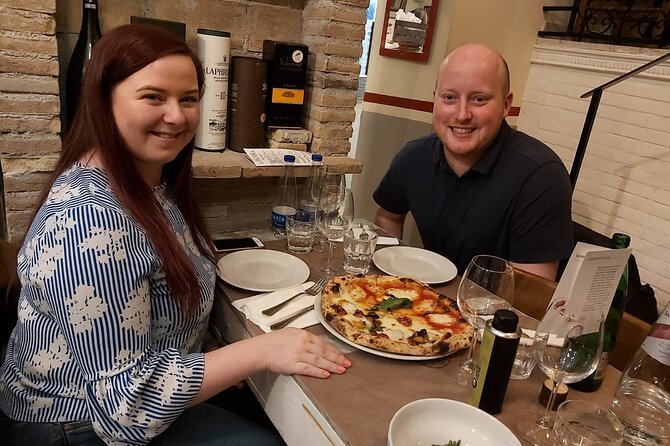
You receive confirmation when booking, and the activity begins and ends at La Panetteria Ristorante. There is no included air-conditioned vehicle, but you do not need one for this format. The meeting point is near public transportation, and the central address works well with a walking day in Rome.
The class is often booked well ahead, with an average booking lead time of about 43 days. That suggests you should reserve early if you want a particular date, especially during a busy Rome visit or if you are coordinating a family schedule.
Free cancellation is available up to 24 hours before the starting time for a full refund. Cancellations or changes made less than 24 hours before the start are not accepted for a refund. The cut-off uses local Rome time, so check the clock carefully if you are changing plans from another time zone.
Most people can participate, but the experience is not designed around mobility guidance or special access details. If you have a particular need, ask before booking rather than assuming the restaurant layout will suit you.
The main drawback: the restaurant setting
The restaurant location is both the charm and the weakness. A working dining room can make the lesson feel connected to everyday Roman food, but nearby tables can create distractions. At least one class had a large party seated close enough to make hearing difficult, and diners occasionally watched or photographed the cooking.
The organization can also vary. A critical account described a late start, a young instructor handling too many jobs, and a session that lasted much longer than planned. That appears to be the exception among the very positive experiences, but it is a useful warning.
You should book this expecting a friendly, informal class, not a carefully staged culinary school. If your priority is a quiet room, exact timing, and detailed instruction on Italian food traditions, choose a more formal cooking course. If your priority is making food, meeting people, and eating with wine in central Rome, the loose restaurant atmosphere may be part of the fun.
Who should book this Rome pizza class?
I would choose this activity for a family that wants a break from sightseeing, a couple seeking a shared meal with a practical twist, or a solo visitor who enjoys meeting people at the table. It also suits anyone who wants to learn two approachable recipes without committing to an all-day cooking program.
You will get the most from it if you are comfortable with a social group, casual instruction, and some variation between teachers. The class is especially appealing at the start of a trip, since you can spend the rest of your stay comparing Roman pizza with what you made.
I would skip it if you have a serious dietary restriction, dislike alcohol-centered meals, or need a guaranteed finish time. I would also avoid booking it immediately before an important evening reservation, since the class may run long.
Should you book it?
Yes, if you want an easygoing food experience with real participation, a central Rome address, and a meal included. The strongest reasons are the small group size, the personal help from instructors such as Julia and Mattia, the family-friendly format, and the chance to make tiramisu as well as pizza.
Book with realistic expectations. This is a social restaurant class, not a rigorous chef course. Confirm dietary options in advance, allow more than three hours if your schedule is tight, and write down the dough recipe during the lesson. For most people who want to cook, eat, and laugh in Rome, the price is a good deal.
FAQ
Where does the pizza and tiramisu class meet?
The class meets at La Panetteria Ristorante, Via della Panetteria 13a/14, 00187 Roma RM, Italy.
Where does the activity end?
The class ends back at the meeting point, La Panetteria Ristorante.
How long does the class last?
The scheduled duration is about three hours, though one session ran longer than expected. Leave extra time if you have another booking afterward.
What food do I make?
You make tiramisu and an authentic Roman-style pizza. The pizza is served as part of the included meal.
Are drinks included?
Yes. Lunch includes wine and soft drinks. The wine is described as free flowing, although the amount may vary by session.
Is the class taught in English?
Yes. The experience is offered in English.
How many people can join?
The maximum group size is 12 people. Smaller groups are possible, and one family had a class with only four participants.
Is the class suitable for children?
Yes. Families with children aged nine and 11 have taken part, and another group ranged from age 10 to 73. The wine service means parents should decide if the format suits their children.
Can people with food allergies participate?
Substitutions may be available, but the standard instruction uses gluten, dairy, and eggs. Cross-contamination cannot be guaranteed, so the class is not recommended for serious egg, dairy, gluten, or other relevant allergies.
What is the cancellation policy?
You can cancel at least 24 hours before the start time for a full refund. Cancellations or changes made less than 24 hours before the start are not accepted for a refund.
Just added around Rome
- Rome: Hands-On Pizza Cooking Class with Spritz Mixology★ 4.9 · 90 reviews
- Rome: “Rooftop Pasta and Cocktails Cooking Class”★ 5.0 · 12 reviews
- Rome: Pizza Making Cooking Class With Spritz Cocktails★ 4.9 · 61 reviews
- Rome: Pizza Making Class with Gelato & Drinks Included★ 4.8 · 23 reviews
- Rome: Nightlife Tour & Guided Bar Crawl with Games & Karaoke★ 4.9 · 75 reviews
- Rome: NYE Pub Crawl and Club★ 5.0 · 5 reviews
- Rome: Cooking Class – Pizza & Gelato with Free Flowing Wine★ 5.0 · 4 reviews
- Rome: Guided Bar Crawl in Trastevere★ 4.6 · 18 reviews
Rome Boozy Tours, compared.
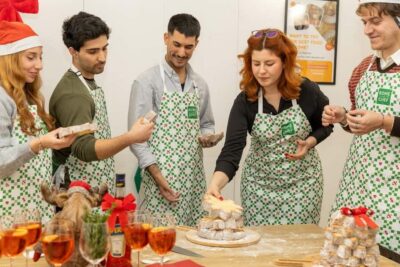
Rome Cooking Class: Make Pasta and 3 Spritz Cocktails
Read our review →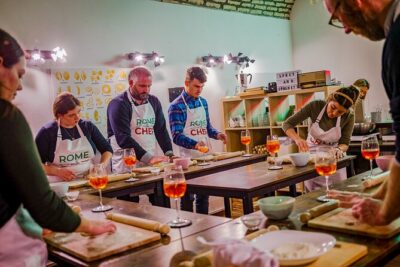
Pasta Cooking Class Near the Colosseum with 3 Spritz Cocktails
Read our review →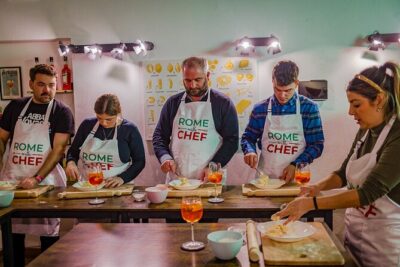
Rome Tipsy Cooking Class: Make Pasta and Mix 3 Spritz Cocktails
Read our review →
Rome Bar Crawl: Interactive Night Tour with Games and Karaoke
Read our review →
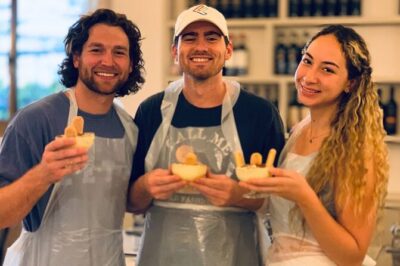
Pizza & Tiramisu Class with Free Flowing Fine Wine
Read our review →
Forbidden History Walking Tour & Pub Crawl with Drinks
Read our review →
Venice Day Trip from Rome by High-Speed Train with Happy Hour
Read our review →Browse the lists this tour appears in